Can I Use a DIY Mini Split as Primary Heat Room by Room Instead of Central HVAC?
Yes, a properly sized mini split system can provide a home’s primary heat room by room—but “DIY” does not mean every part of the job is simple, code-free, or guaranteed to work in every climate. The right setup depends on heat loss, outdoor temperatures, electrical capacity, equipment specifications, and how your household uses each room.
For some homes, a how to keep warranty valid multi-zone system can replace central HVAC. For others, a single-zone unit in a frequently used area makes more sense alongside the existing furnace or boiler. Before you plan to replace central HVAC, look beyond the minimum mini split line set advertised square-foot rating: check the system’s heating output at your local winter design temperature, the electrical requirements, and the manufacturer’s warranty terms.
What “DIY mini split” means in 2026
A mini split is a ductless heat pump: an outdoor unit moves heat to or from one or more indoor units, usually wall-mounted heads. In heating mode, it extracts heat from outdoor air and transfers it indoors. A “DIY mini split” generally refers to a system designed to simplify the refrigerant-line connection, often with precharged lines and special fittings.
That can reduce the need for a homeowner to open refrigerant lines or hire a technician for that specific connection. It does not automatically make the entire installation a do-it-yourself project. You still need to mount the indoor and outdoor equipment securely, drill and seal a wall penetration, route and protect the line set, provide condensate drainage, and meet electrical and local permit requirements. Some projects still call for a licensed electrician or HVAC contractor.
Product designs and warranty conditions change, so confirm the installation instructions for the exact model you’re considering. Don’t assume a “DIY” label waives local code, permits, or manufacturer requirements. A system can be easy to connect and still be difficult to place, wire, commission, or service correctly.
Can a mini split replace central HVAC?
It can, if the system is designed to cover the home’s actual heating load and you can distribute heat where it’s needed. A room by room heat pump approach can work especially well in homes without existing ducts, additions, converted garages, and houses where central ducts lose heat in an attic or crawlspace.
But one indoor head does not heat every closed-off room equally. Heat does not reliably travel through walls or around corners just because the unit’s capacity looks large on paper. Bedrooms with closed doors, distant rooms, and spaces on a different floor may remain chilly. A multi-zone system can address more rooms, but each indoor head and outdoor unit must be matched and sized for the home.
When it’s a good candidate
- Your home has no ducts, or its existing duct system is leaky, poorly placed, or expensive to repair.
- You want independent temperature control in rooms with different schedules, such as bedrooms and a home office.
- You can install an indoor unit in each important heating zone, or have a plan for moving heat to closed rooms.
- The selected model delivers adequate heating capacity at your area’s winter design temperature.
- You have a practical backup plan for unusually cold weather, outages, or equipment service.
When to keep a backup
Consider retaining central heat, baseboards, or another reliable heat source if the mini split’s capacity falls substantially in severe cold, the home has hard-to-serve rooms, or a full system failure would leave occupants without safe heat. In a cold-climate home, backup heat may be a prudent layer rather than evidence that the heat pump has failed.
Zone heating with mini splits: match equipment to rooms
Zone heating with mini splits lets you set different temperatures in separate areas. That can reduce energy use when you heat only rooms in active use—but it is not a guarantee of savings. If you heat the whole house to the same temperature as before, the main benefit may be comfort and control rather than a dramatic bill reduction.
Ask an installer—or do a careful load assessment before buying—how the system will serve each space. A garage conversion, for example, may need more heating capacity than a similarly sized interior bedroom because of a slab floor, older doors, and limited insulation. A bedroom that is comfortable with its door open may need its own indoor unit if it is routinely closed at night.

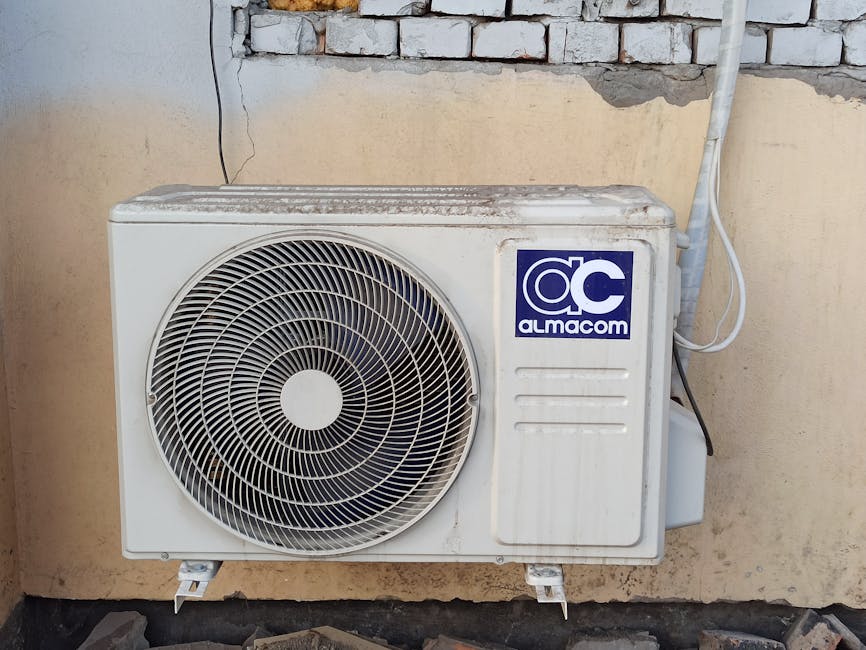
Also consider the placement and everyday sounds of the indoor head, airflow direction, filter access, and condensate routing. On the exterior, choose a location that allows service access and keeps the unit clear of snow, leaves, and roof runoff. In cold, damp weather, the outdoor coil periodically defrosts; the system needs a place for meltwater to drain without creating an icy walkway.
SEER2, HSPF2, and what efficiency means for the bill
SEER2 measures seasonal cooling efficiency, not heating performance by itself. For a heating-focused purchase, compare the heating ratings—especially HSPF2—and review the manufacturer’s capacity data at low outdoor temperatures. A high SEER2 number may be useful if you also run the unit for summer cooling, but it does not tell you how much heat the unit delivers on a cold night.
Estimate operating cost using the electricity price you actually pay, not just the efficiency label. A simplified comparison is:
Estimated heat-pump cost per unit of heat = electricity price per kWh ÷ seasonal heating efficiency.
For example, if electricity costs $0.20 per kWh and a system’s seasonal heating performance averages a coefficient of performance (COP) of 3, it takes roughly 1 kWh of electricity to deliver about 3 kWh of heat under those conditions. That works out to about $0.067 per kWh of delivered heat, before accounting for changing outdoor temperatures, defrost cycles, installation costs, or utility charges. Actual COP is not fixed: it typically falls as outdoor temperatures drop.
Compare that estimate with your current fuel’s cost and heating-system efficiency. A heat pump may be less expensive to run than electric resistance heat and competitive with a fuel-burning system, but the answer depends on local rates and equipment performance. Ask for estimated annual energy use based on your climate and home, not a promise that the system will “cut bills” by a particular percentage.
Cold climates, low-temperature ratings, and Hyper Heat
Cold-climate heat pumps are designed to keep operating and delivering useful heat at lower outdoor temperatures than many standard models. Still, “works in cold weather” is too vague to guide a purchase. Check the model’s published heating capacity and operating limits at temperatures close to your local winter design temperature. A unit that runs at a low temperature may not maintain enough output to heat the whole house at that temperature.
“Hyper Heat” is a product-family term associated with certain Mitsubishi Electric systems; it is not a generic certification for every mini split. Other manufacturers also sell cold-climate models, but names and performance vary. Compare the specific model’s low-temperature capacity, efficiency, and operating range rather than treating any one phrase as a substitute for the data.
If you live where winter temperatures routinely fall well below freezing, have a contractor perform a room-by-room heat-loss calculation. Ask how much capacity remains at the design temperature, whether the system can meet the load without backup, and what happens during defrost. Capacity charts—not a broad “heats to minus X degrees” claim—are what help answer whether a system can serve as primary heat.
MRCOOL, Zone Air, and the value tradeoff
MRCOOL is a familiar name in the DIY mini split market. Its appeal is the possibility of a homeowner-manageable refrigerant connection and a lower installed cost when the site work and electrical work are straightforward. That value can shrink if you need an electrician, a mounting pad, a longer line set, special tools, or paid help correcting a drainage or placement problem. Read the warranty carefully: DIY eligibility, installation requirements, and who handles a claim can vary by product and situation.
Zone Air is another company buyers may encounter while comparing mini split options. Treat the choice as a comparison of the complete offer—not simply the brand name or advertised unit price. Check what is included, whether the exact equipment model is specified, who answers technical questions, how shipping damage is handled, and what support is available after installation. If a quote includes professional installation or local service, compare that value with a DIY package that leaves you coordinating trades yourself.
To assess MRCOOL customer feedback, you can look at Trustpilot reviews for mrcool.com, but read them as one source of information, not a warranty prediction. Look for patterns in recent reviews about delivery, support response, replacement parts, and claim resolution. Online reviews can reflect very different products, installation quality, and customer expectations. Confirm important promises directly in the written warranty and sales terms.
What to compare Why it matters Equipment model and low-temperature capacity Determines whether the system can cover your room-by-room heating load in winter. Included line set, accessories, and shipping Extra length, covers, brackets, or freight can change the real project cost. Electrical and permit requirements A DIY refrigerant connection does not eliminate code-compliant wiring or permit needs. Warranty and service process Clarifies installation conditions, parts coverage, labor exclusions, and claim steps. Post-sale technical support Useful when troubleshooting setup, controls, drainage, or a fault code.Cooper&Hunter is another brand shoppers may compare when looking at ductless equipment. As with MRCOOL or any alternative, compare the exact model’s efficiency, heating performance, electrical specifications, warranty, and local service options. Brand familiarity alone does not establish that a unit is the right fit for a particular house.
Electrical, installation, and smart-control realities
Before ordering, review the nameplate and installation manual for circuit, breaker, disconnect, and wire requirements. Many systems need a dedicated circuit, and the required electrical work may be outside a homeowner’s comfort level or permitted DIY scope. Have a qualified electrician verify panel capacity and local requirements rather than guessing from the unit’s cooling size.
Plan the line set before drilling. Excess refrigerant line cannot always be cut, and casually coiling a long surplus behind the outdoor unit can look messy, take up space, or conflict with the manufacturer’s instructions for bend radius and routing. Measure the run, respect minimum and maximum lengths, and follow the manual for any permitted excess. Protect lines from physical damage and seal the wall opening against water and pests.
Smart controls can add convenience, but verify compatibility for the specific model. Google Assistant support may require a compatible Wi-Fi adapter, app, account linking, or a supported regional service. A voice command is handy for changing a setpoint; it does not replace scheduling, proper sizing, or manual control if the internet or smart-home integration is unavailable.
A practical decision checklist
- List the rooms that must stay warm, including bedrooms with closed doors and any garage or addition.
- Get a room-by-room heat-loss assessment, especially in a cold climate or a poorly insulated home.
- Compare heating capacity at your local design temperature, not only nominal capacity or SEER2.
- Confirm electrical, permit, mounting, drainage, and line-set requirements before ordering.
- Price the whole job, including tools, electrician time, accessories, shipping, and possible service calls.
- Read the warranty and support terms, then identify a backup heat plan if the system cannot meet peak demand.
The bottom line
A DIY mini split can replace central HVAC as primary heat when it is properly sized, placed to serve the rooms people use, and rated to deliver enough heat in local winter conditions. It can also be an excellent room by room heat pump solution for a garage conversion, addition, or selected living spaces without replacing the home’s main system.
Don’t buy based on “DIY,” “high efficiency,” or a low-temperature marketing phrase alone. Compare SEER2 for cooling, HSPF2 and low-temperature capacity for heating, and the full installed cost—including electrical work and service realities. With those checks in place, zone heating with mini splits can deliver flexible comfort; without them, the biggest surprise may be a cold closed-door bedroom, an awkward coil of excess line set, or a warranty process that is harder than the sales page suggested.