How Do I Wrap Wire Handles Using Old Shirt Fabric Strips?
Transforming reclaimed packaging into reliable, personalized storage solutions is a little like organizing a library—each piece should fit snugly and hold steady, just as books do on a well-built shelf. One common challenge in this hobby is making wire handles on boxes, baskets, or crates trustworthy enough to carry decent loads without a sudden drop. If you’ve got sturdy wire handles that feel a bit bare, uncomfortable, or prone to bending, wrapping them using strips from an old shirt is a fantastic zero-cost https://sophiasparklemaids.com/what-tape-works-to-start-a-handle-wrap-without-it-sliding/ way to reinforce and personalize your project.
In this guide, we’ll cover everything you need to know about wrapping wire handles with about 25-30 mm fabric strips harvested from worn-out shirts. You’ll learn the best practices for choosing wire gauge and assessing load capacity, picking the right tools to get clean bends and cuts, and how to pre-reinforce potentially weak materials before drilling. Throughout, I’ll share tips from my 12 years of repurposing gear that’s helped me avoid ragged holes and lazy anchoring.
Why Wrap Wire Handles with Fabric Strips?
Wire handles are a common feature on reclaimed crates and baskets, but their bare metal can be tough on your hands, prone to rusting, or might flex too much under heavy loads. Wrapping them:
- Provides a comfortable grip—like upgrading from a thin bookstore paperback spine to a solid hardcover edge
- Protects the wire from abrasion and corrosion
- Adds a layer of thickened reinforcement, spreading pressure over a larger area
- Allows for a personalized, colorful finish using fabric you already have
- Costs zero money—your old shirts become both resource and art
Using 25-30 mm wide strips is perfect because these widths are manageable to handle and thick enough to cover the wire without excessive bulk, mimicking the snugness of a well-packed library row with room to breathe.
Understanding Wire Gauge and Load Capacity
Before you jump into wrapping, check what kind of wire handles you have. Wire gauge directly affects load capacity:
- Thin wire (below 16 gauge/1.3 mm): Light loads only, under 10 pounds (approx. 4.5 kg). Flimsy wires can snap or bend easily, so wrapping won’t boost load capacity much but can improve grip.
- Medium wire (16-14 gauge/1.3 - 1.6 mm): Typical for crated crates or baskets, supporting 10-30 pounds (4.5 to 13.5 kg). Wrapping will add durability and comfort here.
- Thick wire (12 gauge or thicker/2 mm+): Ideal for heavier loads, up to 50 pounds or more. Though sturdier, wrapping adds the ergonomic factor and weather protection.
The main thing is to avoid wrapping wire that’s already cracking or rust-split—it’s like putting a dust jacket on a book with torn pages; the core needs to be sound. Also, remember not to overload your handles just because they look reinforced now.
Gathering Your Materials and Tools
For this Additional resources project, besides your tired shirts to cut into strips, you’ll need the right tools to keep bends precise and cuts clean. Cheap, ragged tools or flimsy floral wire irritate me because they turn a solid project sketch into a messy tear. Here’s my recommended toolkit:
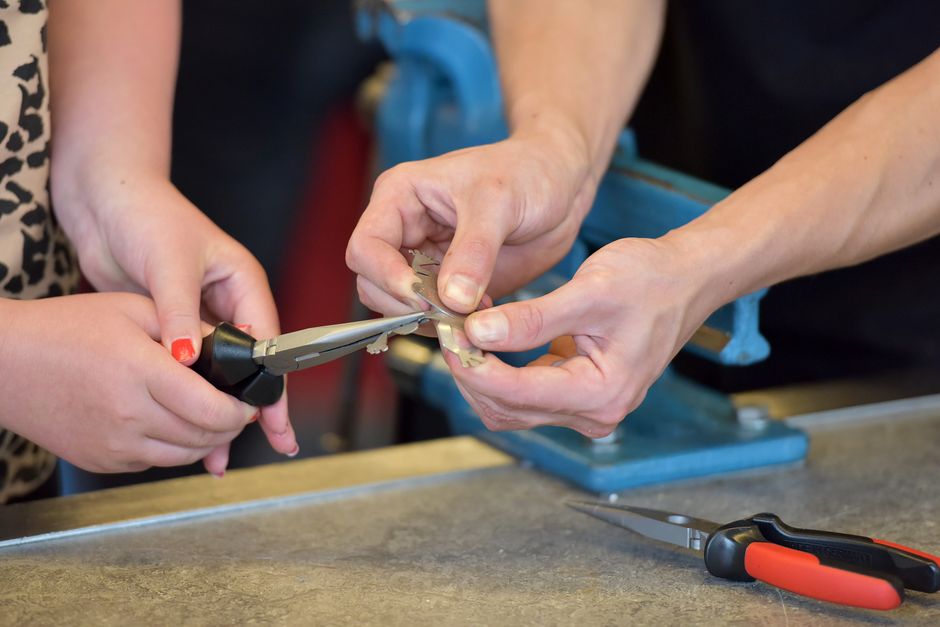
- Parallel-action pliers: These keep constant, even pressure on the wire when bending. Unlike typical slip-joint pliers, they prevent jagged kinks that weaken metal.
- Side cutters (flush cutters): Ideal for clean, tidy cuts on wire ends without ragged edges that can snag or tear fabric.
- Scissors or rotary cutter for fabric strips
- Measuring tape or ruler
- Marker for cutting guidelines
- Optional: needle and thread or fabric glue for securing wrap ends
Prepping the Fabric: Stripping Your Old Shirt
Choose durable yet soft shirts with minimal stretch, such as cotton or cotton blends. Avoid slippery synthetics that don’t grip wire well. Cut the shirt into continuous 25-30 mm wide strips. This width lets you handle the wrap comfortably without bulk, allowing your wrap to carry about the same tactile weight as a hardcover spine—firm but flexible.
Tip: Cut strips along the grain of the shirt fabric to avoid runs and stretching during wrapping. If your shirt has long sleeves, those are often perfect for continuous strips.
Reinforcing Weak Materials before Drilling
If your wire handles connect through drilled holes in wood or recycled box material, inspect those holes carefully. Ragged or oversize holes are like worn bookbinding glue—they’ll cause sudden drops. Before you drill or widen holes:
- Sand any rough edges to avoid fabric snags.
- Consider reinforcing by inserting small wood washers or metal grommets.
- If the wood feels soft or crumbly, glue a small block behind the hole for extra strength.
These extra steps help ensure your wraps and handles behave reliably, avoiding lazy anchoring that fails when you least expect.
Step-by-Step: Wrapping Wire Handles with Fabric Strips
- Clean and prep: Wipe down the wire handles with a damp cloth to remove dirt and rust flakes.
- Measure and cut fabric strips: Cut your 25-30 mm strips long enough to wrap the entire handle plus an extra 10-15 cm for securing ends.
- Use parallel-action pliers: Bend any sharp wire ends inward to prevent snagging fabric and fingers.
- Start wrapping: Secure one end of a fabric strip firmly to the wire using a tight knot or double knot. Alternatively, you can stitch or glue the start in place.
- Wrap tightly: Spiral the strip around the wire always keeping tension consistent (plus or minus 1 mm tolerance). This is like placing books perfectly spine-to-spine—no gaps that lead to sag or wear.
- Overlap slightly: Let each wrap overlap the previous by about 3-5 mm to build a cushioned grip and durable covering.
- Fasten the end: Once you reach the other end of the handle, cut the strip with a clean edge, tuck it under the last layers, and secure with needle and thread or fabric glue.
- Trim and inspect: Use side cutters to trim any protruding wire ends flush.
- Test for security: Give the wrapped handle a firm tug, simulating carrying weight to confirm the wrap won’t shift or unravel.
Personalize Your Wraps for Style and Function
Every reclaimed project tells a story. Old shirt fabrics carry remnants of past adventures—plaid from picnic shirts, stripes from school uniforms, or soft cotton tees. Customize your wrap finishes by mixing colors or weaving thin bias strips along the main wrap. Think of it like adding a dust jacket and bookplate to a beloved volume—functional, protective, and beautiful.
You can also add thin yarn accents or fabric paint details for flair. Just remember the wrap’s structural role; decoration shouldn’t reduce grip or strength.
Common Pitfalls to Avoid
Problem Cause Solution Loose wrap that slides off wire Insufficient tension or no end fastening Keep tight wrap tension and secure ends with stitching or glue Wire kinks or sharp bends that weaken handle Using improper pliers or over-bending Use parallel-action pliers for clean bends; avoid acute angles Fabric strips fraying or tearing while wrapping Cutting strips with dull scissors or tearing fabric Use sharp scissors or rotary cutters; cut strips along grain Ragged holes causing sudden drops or wire pull-out Drilling without reinforcement or smoothing edges Reinforce holes with washers or grommets; sand edges cleanConclusion
Wrapping wire handles with 25-30 mm strips cut from old shirts is a beautiful marriage of thriftiness and function, much like a well-curated mini-library in a shoebox. It enhances grip comfort, reinforces load capacity, and offers a personal, zero-cost finish to your reclaimed packaging projects. Armed with the right tools—parallel-action pliers and side cutters—you ensure smooth bends and safe cuts that avoid premature failures.
Remember to check wire gauge and hole integrity like a diligent librarian protecting valuable collections. With a little care, your wrapped wire handles will carry your load, hold your treasures, and look good while doing it.
Go ahead—dig into your oldest wardrobe, sharpen those fabric cutters, and give those wire handles a vibrant, sturdy new life!
