How to Pick a Mini Split for a Sunny Room with Big Windows
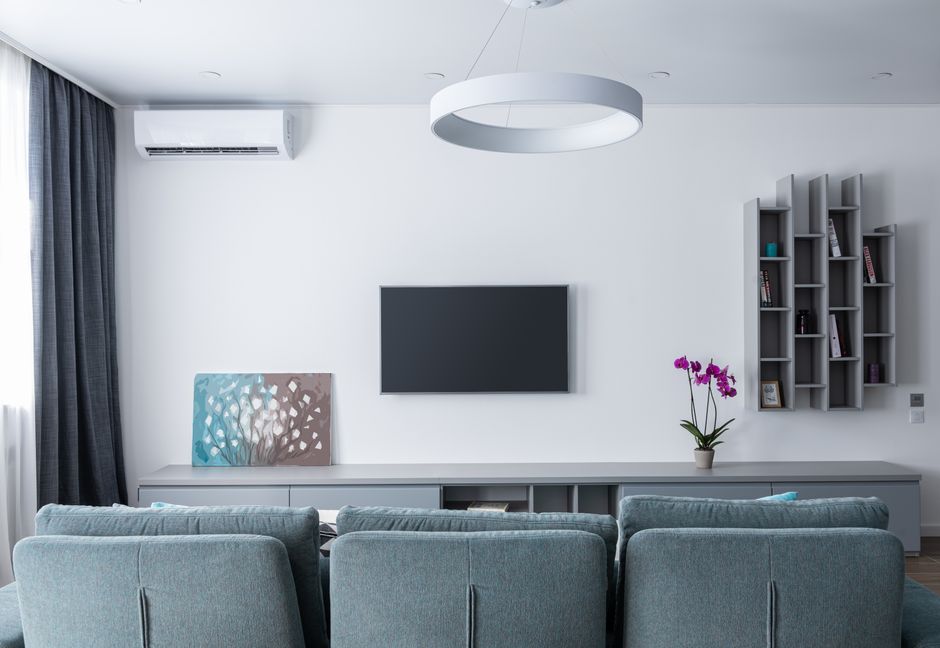
Choosing a mini split heat pump for a sunny room with large windows can be tricky. Rooms with lots of sun exposure tend to have higher window heat gain, which impacts the heating and cooling capacity you need. Not to mention, picking the right system involves understanding electrical requirements, installation limits, and cold-weather performance.
Over my seven years helping friends and family select and install ductless systems in garages, offices, and bonus rooms, I’ve seen common mistakes and heard plenty of marketing claims that don’t hold up. In this guide, I'll walk you through what to consider when shopping mini splits, focusing on brands like FineHomeKeeping, Zone Air, and MRCOOL—three brands offering popular DIY-friendly options with valuable features like pre-charged line sets and quick-connect valves.
Start With What Voltage You Have Available
This is my first question whenever anyone asks about mini splits: what voltage is available? It might sound simple, but it matters a lot when choosing your system.
Mini splits come commonly in two voltages:
- 115V (110-120V typical household outlets)
- 230V (typical for larger appliances like dryers or electric stoves)
The voltage affects both the system’s power and installation complexity. Many DIY-friendly mini splits from brands like MRCOOL are designed for 115V, making them easier to install in a typical home without upgrading electrical panels. On the other Learn here hand, 230V units usually offer higher capacity and better efficiency but often require a licensed electrician to install properly.
This decision also influences your heating and cooling capabilities, so don’t skip this step.
Understand How Sun Exposure Affects Your Mini Split Needs
Sunny rooms with big windows tend to have a lot of window heat gain. What does this mean? When the sun shines through large windows, the room naturally heats up during the day, sometimes a lot. This heat load affects your mini split sizing:
- Cooling: You’ll need a higher capacity system or one with strong cooling ratings to handle the heat from the sun.
- Heating: You might think the sun reduces heating needs, but in cold weather, the system still needs to heat the room efficiently, especially at night or on cloudy days.
The size and orientation of the windows, the type of glass, and the sun exposure all factor in but aren’t the whole story. I always recommend working with a contractor or doing a detailed heat-load calculation rather than guessing by square footage alone. That mistake of sizing strictly on square footage is all too common.
Quick Connect Valves and Pre-Charged Line Sets Make DIY Easier
If you prefer to install the mini split yourself, look for models with pre-charged line sets and quick connect valves. These features save so much time and hassle. Let me explain:
- Pre-Charged Line Sets: These come from the factory with refrigerant inside the copper tubing. That means you don’t need a vacuum pump or to handle refrigerant charging yourself.
- Quick Connect Valves: These valves let you connect indoor and outdoor units without flaring or brazing pipes. It’s often called “tool-less” but in reality, these connections do require proper tightening tools and inspection.
Brands like MRCOOL have made a name for their no vacuum pump required systems specifically aimed at DIYers. FineHomeKeeping and Zone Air also offer models that embrace these quick connect designs.
Keep in mind these options have limits. You’re usually restricted to specific line set lengths, and if you need longer runs or multiple zones, you may still require professional installation. Always check the manufacturer’s installation manual carefully.
Electrical Reality: Understand DIY Limits and When to Hire an Electrician
Even if the system is easy to connect refrigerant-wise, the electrical work may not be as simple. Here are key electrical considerations:
- Dedicated Circuit: Most mini splits require their own dedicated circuit breaker.
- Voltage Requirements: As mentioned, 115V systems are easier DIY electrical-wise. 230V units almost always require an electrician.
- Disconnect Box: Outdoor unit disconnect boxes may be required by code in your region.
If you’re not comfortable with this kind of electrical work best DIY mini split 2026 or unfamiliar with local codes, hiring a professional electrician is well worth it.

Compare Cold-Weather Heating Ratings: -13°F vs -22°F
If you live in a cold climate, look closely at a mini split’s heating capability at very low temperatures. Different models have published rated performance down to various temperatures:
Heating Rating Temperature Typical Outcome Who It’s For -13°F (-25°C) Reliable heat output down to standard cold weather typical in northern zones Most cold-climate homeowners -22°F (-30°C) Better heating performance in extremely cold areas with short cold snaps Very cold climates like northern mountain states or CanadaWhen choosing a mini split, brands like Zone Air and FineHomeKeeping often highlight their systems’ cold-weather capabilities—the difference between -13°F and -22°F ratings can help you avoid needing supplemental heat sources.
What About Price? Don’t Expect Clear Numbers Online
I see too many blogs and product scraping sites listing mini splits without explaining pricing. This is misleading since prices vary a lot by region, dealer, and installer markup. Plus, DIY vs professional installation changes the overall cost significantly. Because I value transparency, I won’t invent prices here.
Instead, I recommend:
- Check directly on official brand sites such as FineHomeKeeping, Zone Air, and MRCOOL for MSRP or suggested retail prices.
- Contact local dealers or HVAC pros to get accurate quotes including installation.
- Factor in electrical upgrade or permit costs if applicable.
Checklist Before You Buy
To finalize your system choice, I keep a short checklist that you should too:
- Voltage available (115V or 230V)? Choose compatible model.
- Window size and sun exposure? Factor in higher capacity for cooling.
- Quick-connect and pre-charged line set? Simplifies DIY installation.
- Will you do electrical work yourself? If no, hire an electrician.
- Heating rating low enough for your climate? Check -13°F or lower ratings.
- Line set length? Stay within manufacturer limits.
- Drainage and snow clearance opportunities? Ensure outdoor unit placement avoids blockage.
Final Thoughts
Picking a mini split for a sunny room with big windows isn’t about just the square footage. You have to consider higher window heat gain, voltage options, cold-weather heating capabilities, and DIY-friendly installation features like no vacuum pump required and quick connect valves. Brands like MRCOOL, FineHomeKeeping, and Zone Air make this easier but always be honest about your electrical skills and local code requirements. When in doubt, consult a pro.
With the right planning and realistic expectations, your mini split will keep that sunny room comfortable year-round.