What Are the Downsides of Relying Only on an LED Mirror?
In recent years, LED mirrors have surged in popularity as sleek, modern alternatives to traditional vanity light bars and sconces. They offer integrated lighting that seems to promise a seamless blend of style and function, particularly appealing in contemporary bathroom designs. But is replacing all your bathroom task lighting with an LED mirror truly the best option? As seen on platforms like Homedit and discussions across Twitter and Facebook, the conversation is nuanced—and for good reason.
This article delves into the lighting limitations of LED mirrors, contrasting styles such as backlighting, edge lighting, and in-glass light lines. We’ll also assess their effects on bathroom wall surfaces, and explore the challenges faced in long vanity layouts that use multiple mirrors. Reference points include input from lighting experts and suppliers like LED Mirror World.
LED Mirrors vs. Traditional Vanity Light Bars and Sconces
Choosing between LED mirrors and conventional lighting is more than a matter of aesthetics. Traditional vanity light bars and sconces historically set the standard for bathroom task lighting, designed to illuminate the face evenly for makeup application, shaving, or skincare routines. LED mirrors often attempt to replace this setup by embedding light directly within or around the mirror's frame.
While LED mirrors create an uncluttered, futuristic look and save wall space, they come with a few notable trade-offs:
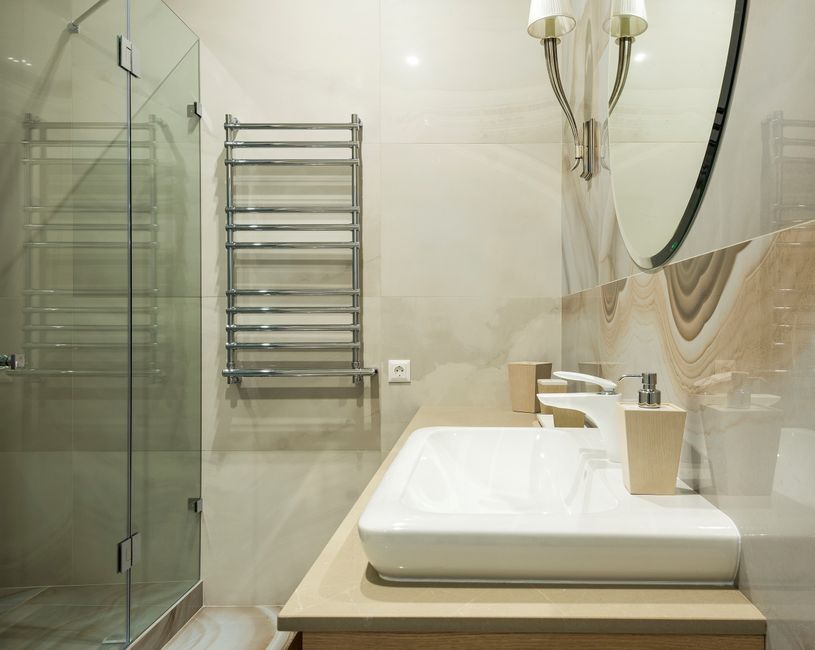
- Lighting Uniformity: Vanity light bars typically cast light from above (or both sides), reducing unwanted shadows on your face. LED mirrors—especially those relying on edge lighting—can sometimes create harsher or uneven light distribution.
- Flexibility in Light Direction: Sconces can be angled or installed to suit specific needs, something fixed LED mirrors lack.
- Brightness and Color Options: While many LED mirrors offer adjustable brightness and color temperature, their range may still be narrower than dedicated fixtures matched with a dimmable fixture control.
- Surface Illumination: Vanity light bars not only illuminate the face but also spread light onto adjacent walls and surfaces, contributing to balanced ambient lighting.
Key Insight:
LED mirrors work best as a complement, not a full replacement, to traditional bathroom task lighting. This ensures a layered, more forgiving lighting environment.
Backlighting vs. Edge Lighting vs. In-Glass Light Lines
Understanding the various LED mirror lighting technologies is crucial for realistic expectations about their effects and limitations.
Lighting Type Description Pros Cons Impact on Walls and Faces Backlighting Light source placed behind the mirror, illuminating the wall around the mirror’s edges.- Creates soft halo of light
- Minimal glare on face
- Reduced direct face illumination
- Relies on wall color & texture for effect
- Sharp, modern aesthetic
- Even illumination on mirror surface
- Can produce harsh lighting on face
- Shadow patterns can be uneven
- Clean, architectural look
- Even light spread in close proximity
- Light sources visible and can distract from stone veining or decor details
- Limits size and shape of mirror
Wall Impact: Light Washing onto Paint, Tile, Wood, and Stone
One subtle but essential consideration often missed in glossy LED mirror marketing photos is how light interacts with surrounding wall materials. This interaction affects the bathroom’s ambiance and perceived warmth.
Painted Walls
Backlit LED mirrors softly wash light onto painted surfaces, which may diffuse the glow pleasantly—especially with matte or satin paint finishes. However, very glossy or dark paint colors can reduce this effect, resulting in a stark contrast that feels harsh in everyday use.
Tile Walls
Textured or matte tiles can beautifully scatter LED mirror light, creating nuanced highlights. In contrast, highly reflective or glass-like tiles may exacerbate glare from harsh edge lighting, making the space visually overwhelming at times.
Wood Walls
Wood surfaces introduce warmth but also absorb more light. When relying solely on LED mirrors, especially edge or in-glass lit versions, https://cleaningservicesgrandrapidsmi.com/can-a-lighted-mirror-go-wider-across-the-vanity-if-there-is-no-fixture-above/ wood walls can make the reflection pop but https://daisydustmaid.com/mirror-with-vertical-light-strips-near-the-edges-is-it-good-for-face-lighting/ often leave the room feeling unevenly lit, requiring supplemental lighting.
Stone Walls
Natural stone’s uneven surface elegantly plays with backlit illumination, turning the mirror into a touchpoint of subtle luxury. But busy textures or veining can compete with visible in-glass LED light lines—something to note when selecting mirror types to avoid visual overload.
Challenges With Long Vanity Layouts Using Multiple LED Mirrors
Long vanities—common in shared or master bathrooms—pose unique challenges for LED mirror installation:
- Continuity of Lighting: Multiple LED mirrors often create distinct pools of light separated by dark gaps, especially when backlit designs are used. This can break visual flow and appear disjointed.
- Fixture Coordination: Matching color temperature and brightness across several mirrors demands meticulous specification; inconsistent lighting can distract and degrade bathroom aesthetics and function.
- Wall Surface Impact: As each mirror washes light differently depending on wall material, a stretch of diverse or uneven surfaces can amplify inconsistencies.
In comparison, traditional vanity light bars or a continuous linear fixture mounted above or along the vanity provide a more uniform and less complex approach to lighting long bathroom counters.
Summary: What to Consider Before Opting for a Mirror Instead of Vanity Light
Consideration LED Mirror Vanity Light Bars / Sconces Lighting Uniformity Often uneven; depends on lighting type Designed for balanced face illumination Ambient Wall Lighting Depends on backlighting and wall finish; often minimal Lights wash over walls, enhancing textures/colors Installation Flexibility Limited to mirror size and style Multiple fixture options, adjustable Design Aesthetics Clean, modern, integrated Varies greatly; classic to modern Cost Considerations Potentially higher initial cost, lower wiring needs May be more affordable, but installation variesFinal Thoughts
Trusting a single LED mirror to replace all your bathroom task lighting may work in certain minimalist or small bathroom configurations, but it comes with clear compromises. As noted by LED Mirror World and reflected in conversations via Twitter and Facebook, layering lighting—including a balance of LED mirrors and traditional fixtures—generally produces a more inviting, functional, and flattering bathroom environment.
When planning any bathroom lighting, pay close attention to the wall finishes, vanity length, and your personal grooming needs. Using LED mirrors strategically—as mood or accent lighting—can elevate your space. But rely solely on them for your bathroom task lighting, and you may find yourself wishing for supplementary solutions.
For more detailed design advice and product options, trusted sources like Homedit provide excellent inspiration and practical guides to get it right.
